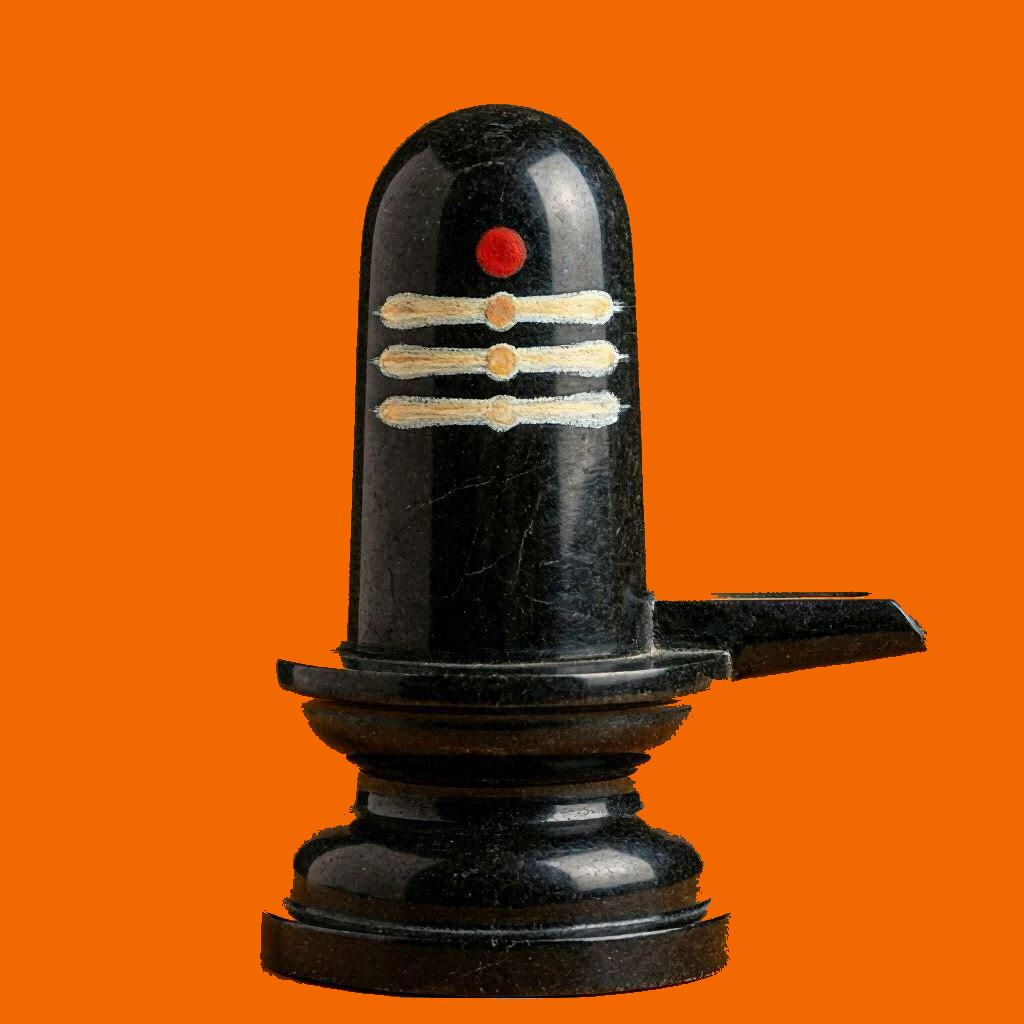
The temple
Meenakshi Sundareswarar Temple stands at Madurai, Tamil Nadu — a Shaiva shrine maintained in active worship. Twin shrines to Meenakshi (Devi) and Sundareswarar (Shiva). The pinnacle of Dravidian architecture.
Where it stands
| Field | Value |
|---|---|
| Place | Madurai |
| State / region | Tamil Nadu |
| Country | India |
| Coordinates | 9.9195° N, 78.1193° E |
Tamil Nadu’s Shaiva tradition is among the oldest continuous Shiva-worship traditions in the subcontinent. The state is home to the Pancha Bhoota Sthalams, the Nayanar tradition of devotional poet-saints (whose Tevaram hymns have been recited daily in temples for over a thousand years), and the great Dravidian temple complexes of the Chola, Pandya, and Vijayanagara eras.
Darshan rhythm
| Window | Time |
|---|---|
| Daily darshan | 05:00 – 12:30, 16:00 – 22:00 |
| Pradosham aarti | 18:30 |
| Maha Shivaratri | Day-long abhishekam, processions through the temple corridors. |
These windows are sourced from the temple’s published schedule and cross-checked against pilgrimage and devotee accounts. They are subject to change on festival days, on day-of-week observances local to the temple, and during extraordinary events. For any planned visit, confirm at the temple gate or via the temple’s listed contact — the registry is the starting point, not the substitute.
When to visit
- Maha Shivaratri — the temple’s most attended night of the year. Expect long darshan queues, an extended abhishekam schedule, and a vigil through the four prahar.
- Pradosham (thirteenth lunar day) — the twilight aarti at 18:30 is the optimal everyday window for Shiva-darshan when crowds are normal.
In wider Shaiva practice
Beyond the specific observance at Meenakshi Sundareswarar Temple, the universal Shaiva discipline is the same: the five-syllable mantra Om Namah Shivaya as the daily anchor, Pradosham as the twice-monthly observance, Maha Shivaratri as the annual culmination. The temple is the public gateway; the mantra is the private one.
What we verify, what we don’t
Verified. Coordinates and identity are cross-checked against Google Maps, OpenStreetMap, and (where available) the temple’s official site. Tradition classification (Jyotirlinga, Pancha Bhoota, Panch Kedar) follows the canonical lists preserved in Adi Shankara’s stotras and parallel Puranic sources.
Not verified. Daily timings and festival schedules can shift — temples adjust hours for renovation, security advisories, regional civic holidays, and astronomical recalculation of festival dates. The timings listed here are the most recently sourced; they are starting points, not guarantees. For any planned visit, confirm at the temple gate or via the temple’s published contact channels.
Not promised. Dress codes, photography rules, gender-of-access norms, and Brahmin-priest officiation policies vary by region and by individual temple. The norms of one regional Shaiva tradition do not automatically apply to another. When in doubt, observe the practice of long-standing local devotees on site.