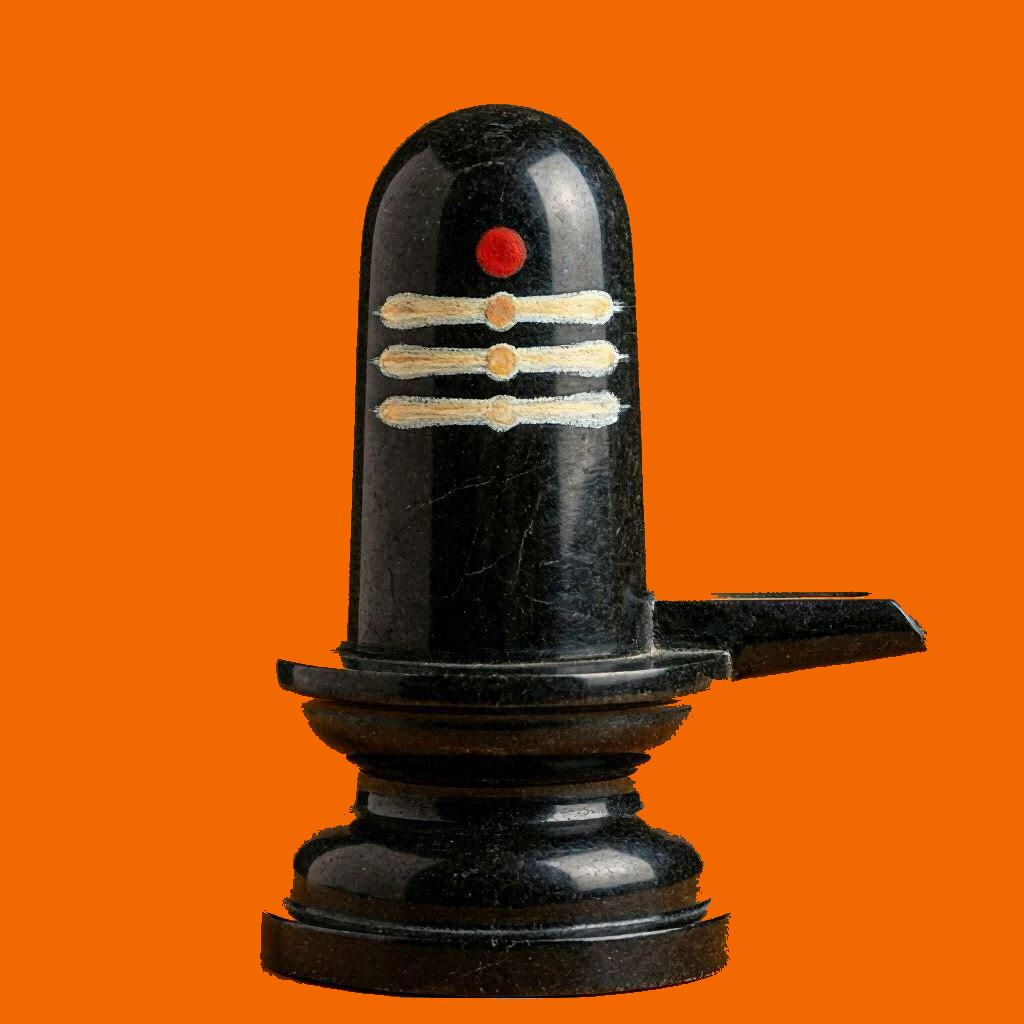
The temple
Pashupatinath Temple stands at Kathmandu, Nepal — a Shaiva shrine maintained in active worship. Nepal’s national shrine. Indian Shaivas regard it as integral to the Jyotirlinga circuit.
Where it stands
| Field | Value |
|---|---|
| Place | Kathmandu |
| State / region | Nepal |
| Country | Nepal |
| Coordinates | 27.7104° N, 85.3487° E |
The temple is part of the global Shaiva diaspora that has taken root in Nepal alongside the Indian community there. Diaspora Shiva temples typically maintain the core daily Vedic-puranic worship while adapting festival calendars and offering schedules to the local civic calendar — Maha Shivaratri and Shravan Mondays are observed at the traditional astronomical times regardless of timezone, but accommodations are made for working schedules of the resident community.
Darshan rhythm
| Window | Time |
|---|---|
| Daily darshan | 04:00 – 12:00, 17:00 – 21:00 |
These windows are sourced from the temple’s published schedule and cross-checked against pilgrimage and devotee accounts. They are subject to change on festival days, on day-of-week observances local to the temple, and during extraordinary events. For any planned visit, confirm at the temple gate or via the temple’s listed contact — the registry is the starting point, not the substitute.
When to visit
- Maha Shivaratri, Shravan Mondays, and Pradosham are universally the most charged Shiva-temple windows; even when the temple does not publish a bespoke schedule, observance at these times is universal among Shaiva temples.
- For everyday visits, the post-sunrise window and the evening aarti hour are the consistently best times for a focused darshan — midday hours are when the temple is closed in most regions.
In wider Shaiva practice
Beyond the specific observance at Pashupatinath Temple, the universal Shaiva discipline is the same: the five-syllable mantra Om Namah Shivaya as the daily anchor, Pradosham as the twice-monthly observance, Maha Shivaratri as the annual culmination. The temple is the public gateway; the mantra is the private one.
What we verify, what we don’t
Verified. Coordinates and identity are cross-checked against Google Maps, OpenStreetMap, and (where available) the temple’s official site. Tradition classification (Jyotirlinga, Pancha Bhoota, Panch Kedar) follows the canonical lists preserved in Adi Shankara’s stotras and parallel Puranic sources.
Not verified. Daily timings and festival schedules can shift — temples adjust hours for renovation, security advisories, regional civic holidays, and astronomical recalculation of festival dates. The timings listed here are the most recently sourced; they are starting points, not guarantees. For any planned visit, confirm at the temple gate or via the temple’s published contact channels.
Not promised. Dress codes, photography rules, gender-of-access norms, and Brahmin-priest officiation policies vary by region and by individual temple. The norms of one regional Shaiva tradition do not automatically apply to another. When in doubt, observe the practice of long-standing local devotees on site.