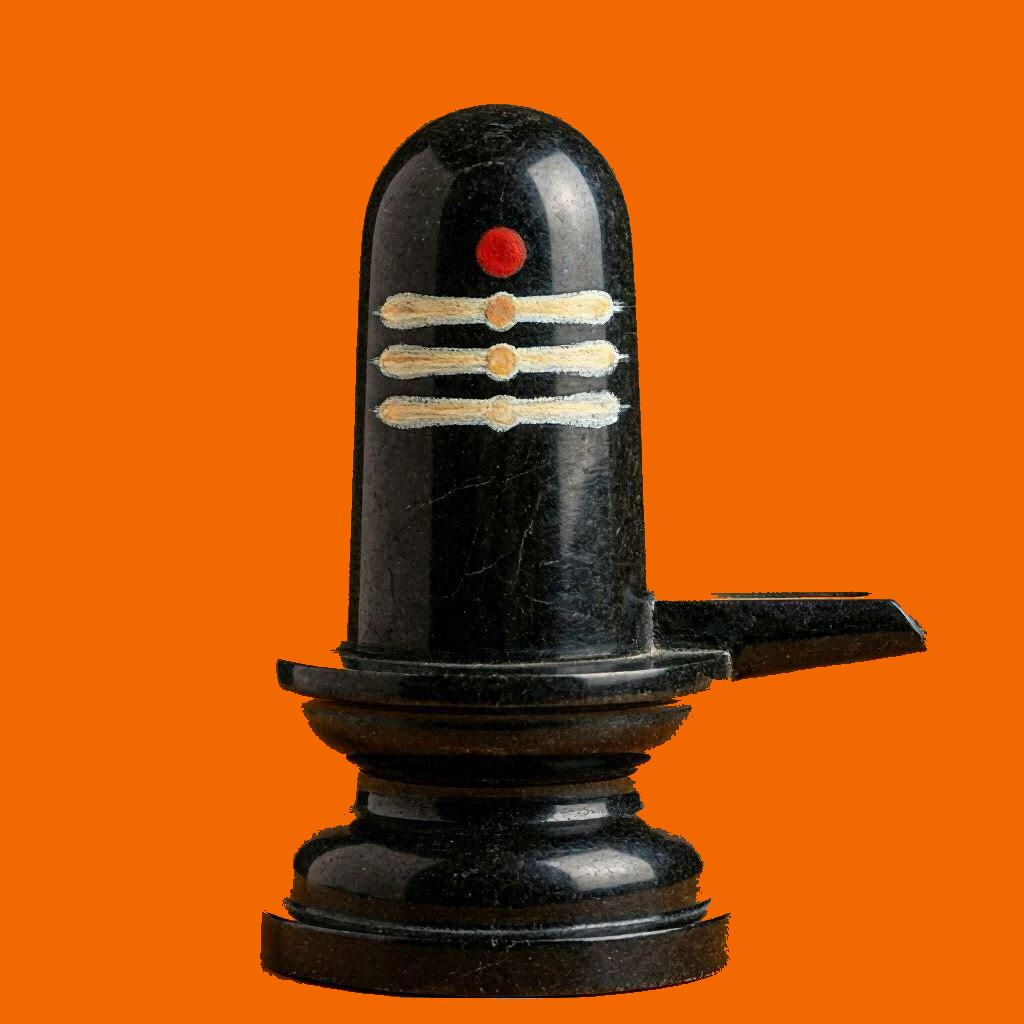
The temple
Tilbhandeshwar Mahadev stands at Varanasi, Uttar Pradesh — a Shaiva shrine maintained in active worship. The linga is said to grow by a sesame seed (til) each year.
Where it stands
| Field | Value |
|---|---|
| Place | Varanasi |
| State / region | Uttar Pradesh |
| Country | India |
| Coordinates | 25.2890° N, 82.9881° E |
Uttar Pradesh’s Shaiva centre of gravity is Kashi (Varanasi), the city Shiva himself is said to dwell in — and where the cremation grounds at Manikarnika carry the tradition that Shiva whispers the taraka mantra into the ears of the dying.
Darshan rhythm
| Window | Time |
|---|---|
| Daily darshan | Typical 05:00 – 21:00. Confirm at the temple. |
The temple is in our verified-coordinates / template-timings tier — meaning the location and identity are confirmed against multiple sources but the daily schedule is not separately published. The Shaiva-temple norm of an early-morning opening, a midday closure, and an evening reopening through the aarti hours generally applies; for festival days, the only reliable source is the local priest or the temple’s own gate.
When to visit
- Maha Shivaratri, Shravan Mondays, and Pradosham are universally the most charged Shiva-temple windows; even when the temple does not publish a bespoke schedule, observance at these times is universal among Shaiva temples.
- For everyday visits, the post-sunrise window and the evening aarti hour are the consistently best times for a focused darshan — midday hours are when the temple is closed in most regions.
In wider Shaiva practice
Beyond the specific observance at Tilbhandeshwar Mahadev, the universal Shaiva discipline is the same: the five-syllable mantra Om Namah Shivaya as the daily anchor, Pradosham as the twice-monthly observance, Maha Shivaratri as the annual culmination. The temple is the public gateway; the mantra is the private one.
What we verify, what we don’t
Verified. Coordinates and identity are cross-checked against Google Maps, OpenStreetMap, and (where available) the temple’s official site. Tradition classification (Jyotirlinga, Pancha Bhoota, Panch Kedar) follows the canonical lists preserved in Adi Shankara’s stotras and parallel Puranic sources.
Not verified. Daily timings and festival schedules can shift — temples adjust hours for renovation, security advisories, regional civic holidays, and astronomical recalculation of festival dates. The timings listed here are the most recently sourced; they are starting points, not guarantees. For any planned visit, confirm at the temple gate or via the temple’s published contact channels.
Not promised. Dress codes, photography rules, gender-of-access norms, and Brahmin-priest officiation policies vary by region and by individual temple. The norms of one regional Shaiva tradition do not automatically apply to another. When in doubt, observe the practice of long-standing local devotees on site.