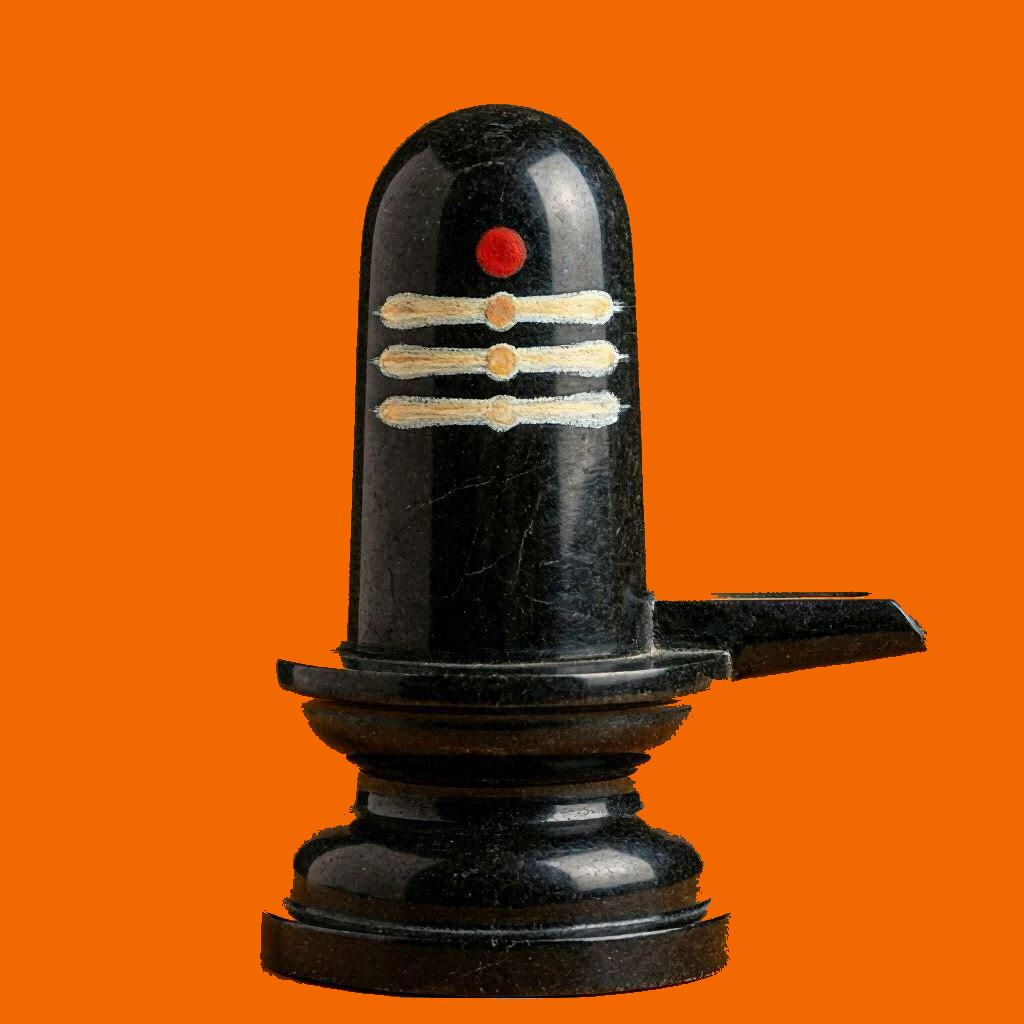
If Maha Shivaratri is the single most important night of the Shaiva year and Pradosham is its twice-monthly heartbeat, Shravan is the most important month.
Shravan (called Sawan in north India, Aadi in Tamil tradition, Shrabon in Bengali) is the fifth month of the Hindu lunar calendar — typically July-August in the Gregorian calendar. For Shaivas, the entire month is held as Shiva’s month. Every Monday (Somvar) becomes a Pradosham-class observance. Major temples shift their entire schedule to accommodate the surge of pilgrims. The Kanwar yatra — the largest annual religious gathering on Earth — happens during this month. Tens of millions of practitioners keep partial or complete fasts.
This essay explains what the month is, why it matters specifically to Shaivas, and how to keep it wherever you live.
What Shravan is
Shravan begins with the new moon after the summer solstice (typically late July) and ends approximately 30 days later (late August). The exact dates shift each year because the Hindu calendar is luni-solar.
Shravan 2027: approximately July 13 to August 11 (regional variations apply).
Three reasons the tradition holds the month as Shiva’s:
The Samudra Manthan story. The Puranic myth of the churning of the ocean — when the devas and asuras together stirred the cosmic ocean to produce the nectar of immortality — happened (in the tradition’s framing) during Shravan. In the process, the most potent of all poisons (halahala) was thrown up first, threatening to destroy creation. Shiva drank it, holding it in his throat (which is why he is called Nilakantha, “blue-throated”). Shravan is the month in which Shiva took the poison so the universe could continue. The monsoon rains that fall through Shravan are sometimes interpreted as devotees pouring water on Shiva to cool the throat that still holds the poison.
The monsoon-cooling reading. Shaiva theology holds that Shiva is intrinsically hot (the fire of asceticism, the heat of the trident, the burning ground at Kashi). The monsoon — the cooling, life-giving rain — is the natural complement. Offering cooling substances (water, milk, bilva leaves) during the cooling month is the seasonal devotional gesture that the climate itself enacts at planetary scale.
The Mondays. In the Hindu week, Monday (Somvar) is traditionally Shiva’s day. Every Monday across the year is mildly Shaiva-charged; the Mondays of Shravan are Shaiva-charged at maximum intensity. A serious practitioner who keeps no other Shravan observance keeps Shravan Somvars.
The Shravan Somvars
Shravan typically contains 4 or 5 Mondays. Each is held as a full Shaiva observance day:
- Fasting from sunrise to sunset (some traditions extend until moonrise)
- Temple visit in the morning or evening if accessible
- Abhishekam of the home or temple linga with milk, water, and bilva
- Recitation of Om Namah Shivaya, Mahamrityunjaya, or the Rudrashtakam
- Single meal in the evening — typically simple sattvic food (fruit, milk, rice with ghee)
The fast is not universally water-only. Most regional traditions permit fruit and dairy throughout the day, with a single solid meal at sunset. Some Tamil traditions add vrat (vow-related) foods. The strict water-fast is held primarily by serious practitioners on specific Shravan Somvars (e.g., the first Monday or the Monday closest to Maha Shivaratri’s anniversary).
For working professionals, the realistic Shravan Somvar protocol:
- Skip breakfast and lunch
- Drink water and a single fruit smoothie or buttermilk at noon
- Light a diya at twilight and recite Om Namah Shivaya 108 times
- Eat a simple sattvic meal at sunset
- Optional: visit a Shiva temple after dinner
This is sustainable for most adults across an entire month of Mondays without affecting work performance. Children, pregnant women, those on medication, and the elderly should consult a doctor before any extended fasting.
The Kanwar yatra
The Kanwar yatra — the annual pilgrimage that defines Shravan in north India — is held by tradition to be the largest religious gathering on Earth measured by daily participation. More than 10 million pilgrims walk, every Shravan, from Sultanganj on the Ganga to the Baidyanath Jyotirlinga at Deoghar — a 105-kilometre walk along the Bihar-Jharkhand corridor.
The pilgrims (called kanwariyas) walk barefoot, carrying kanwar — bamboo poles balanced on the shoulder with two earthen pots of Ganga water hung at each end. The water is poured on the Baidyanath linga at the end of the yatra. Some pilgrims walk the entire 105 km in 3-5 days; some complete the route over multiple weeks; some return on the same path. The dress code is saffron clothing; the dietary code is strict sattvic; the pace is slow and meditative.
Similar but smaller kanwar processions happen at other major Shiva temples — Trimbakeshwar, Tarakeshwar — and at many regional Shaiva shrines that draw water-offering pilgrims from their surrounding districts.
For practitioners outside these regions, the Kanwar tradition’s spirit can be honoured in smaller forms: a long walk to a local Shiva temple carrying a small pot of water (the home tap is fine; the symbolism is what matters), an extended fasting day with the focus on water as the offering, or simply a particularly attentive Shravan Somvar.
How to keep Shravan at home
The full Shravan month, kept thoroughly, is a substantial commitment — 30 days of dietary discipline + heightened practice + temple-day observances. For most practitioners, partial observance is the realistic and sustainable form. Three tiers:
Tier 1: Daily addition to existing practice (no fasting)
For practitioners who already have a steady daily Om Namah Shivaya practice:
- Extend the daily mantra session from 10 minutes to 20-30 minutes for the entire month
- Add the Mahamrityunjaya Mantra once or three times at the end of the session
- Keep Mondays as Pradosham-level observances (the standard 20-30 minute home Pradosham protocol)
- Avoid non-vegetarian food for the month if you eat it; otherwise, eat simpler vegetarian food
This is the realistic minimum for a working person to “keep Shravan” without breaking ordinary life routines.
Tier 2: Full Shravan with Monday fasts
For practitioners with more flexibility:
- Tier 1 +
- Strict vegetarian diet for the full month (no garlic, onion, mushroom in stricter traditions)
- Fast on every Shravan Monday with a single sattvic evening meal
- Temple visit on at least the first and last Shravan Monday if accessible
- Recite the Rudrashtakam daily in addition to the daily mantra
This is the form serious householder Shaivas typically keep — sustainable for years, transformative across decades.
Tier 3: The full traditional Shravan
For practitioners with the most time, often retired or on retreat:
- Tier 2 +
- Daily Sri Rudram recitation (full namakam + chamakam, ~50 minutes)
- Daily abhishekam at home or temple
- Complete fast (water only) on at least 2 Shravan Mondays — typically the first Monday and the Monday before Janmashtami
- A Kanwar yatra if geographically feasible (Baidyanath, Trimbakeshwar, Tarakeshwar)
- Brahmacharya, mauna (silence), or other tapas during the month per personal sankalpa
This is the deep-practice form held by sadhus, retired serious practitioners, and householders who can take the month as a personal sadhana period.
The other festivals within Shravan
Shravan contains several specific festivals beyond the weekly Somvars:
- Hariyali Teej (third lunar day of bright fortnight) — devoted to Parvati, celebrating her union with Shiva. Married women observe vrat for marital harmony.
- Nag Panchami (fifth lunar day of bright fortnight) — the snake-festival. Snakes are Shiva’s companions; this day worships them and asks for snakebite protection. Many Shaivas observe with a Shiva-snake abhishekam.
- Raksha Bandhan (full moon of Shravan) — though primarily a sibling festival, it also marks the formal seasonal opening of certain Shaiva-Vedic recitations.
- Janmashtami (eighth lunar day of dark fortnight) — though primarily a Vaishnava festival (Krishna’s birthday), it falls within Shravan and is observed by many Shaivas as well.
A serious Shravan practitioner observes all four within their tradition; a Shaiva-only practitioner observes the Mondays + Nag Panchami at minimum.
When the next Shravan is
| Year | Shravan dates (approximate, varies by region) |
|---|---|
| 2027 | July 13 – August 11 |
| 2028 | July 1 – July 30 |
| 2029 | July 20 – August 18 |
For exact regional dates, consult any Hindu calendar app — the Tamil Aadi month begins approximately 2 weeks before north India’s Shravan; Telugu and Kannada traditions align with the north Indian Shravan in most years.
A simple plan for your first Shravan
If you have not kept Shravan seriously before:
Week 1: Read this essay. Mark the four Mondays of the upcoming Shravan in your calendar. Decide which Tier you can sustain.
The first Shravan Monday: Wake early. Skip breakfast. Drink water through the day. At 5pm, light a diya at your home shrine. Recite Om Namah Shivaya 108 times. Eat a simple meal of fruit, rice, dal, and curd. Sleep early.
The second, third, fourth (and fifth if present) Mondays: same protocol. Add the Mahamrityunjaya at the end of the mantra session if you’ve started learning it.
The rest of the month: continue your daily Om Namah Shivaya practice, slightly extended. Avoid non-vegetarian food. Notice how the month feels different.
Closing: after the last Shravan Monday, mark in your journal what changed. Most first-Shravan keepers report a quietness that carries forward into the post-Shravan weeks.
That is the entry door. The deeper layers — strict fasting, the Sri Rudram, the kanwar yatra — are the years that come after.
Om Namah Shivaya.