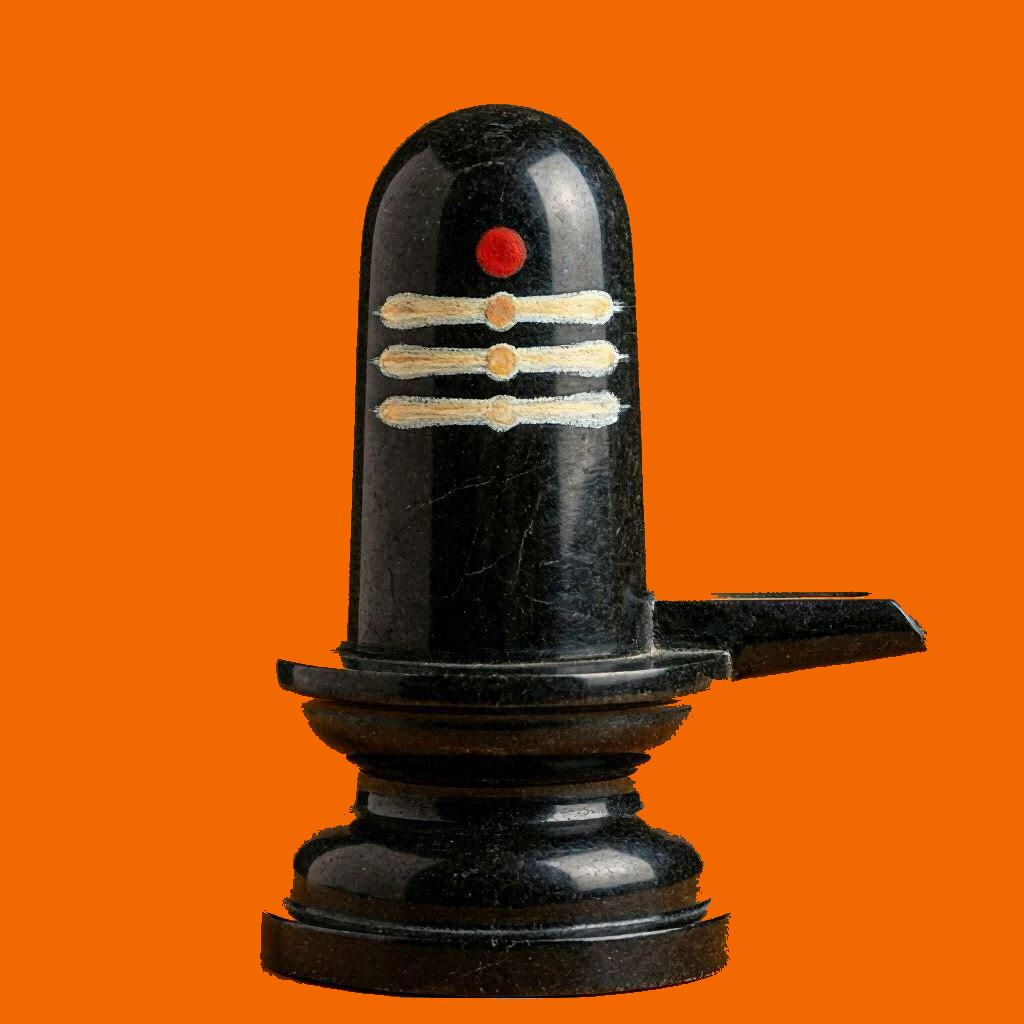
The temple
Tungnath in the Garhwal Himalayas is one of the Panch Kedar — five high-altitude shrines that together mark the body of Shiva in his bull form. Highest Shiva temple in the world at 3,680m. The arm of the bull-form.
Where it stands
| Field | Value |
|---|---|
| Place | Chopta |
| State / region | Uttarakhand |
| Country | India |
| Coordinates | 30.4900° N, 79.2167° E |
Uttarakhand’s Himalayan terrain holds the Char Dham circuit (Yamunotri, Gangotri, Kedarnath, Badrinath) and the Panch Kedar — most accessible only seasonally, between late spring and early autumn, with snow closing the higher trails for the rest of the year.
Darshan rhythm
| Window | Time |
|---|---|
| Daily darshan | 06:00 – 19:00 (season: May–October) |
| Pradosham aarti | 18:00 weather permitting |
These windows are sourced from the temple’s published schedule and cross-checked against pilgrimage and devotee accounts. They are subject to change on festival days, on day-of-week observances local to the temple, and during extraordinary events. For any planned visit, confirm at the temple gate or via the temple’s listed contact — the registry is the starting point, not the substitute.
When to visit
- Pradosham (thirteenth lunar day) — the twilight aarti at 18:00 weather permitting is the optimal everyday window for Shiva-darshan when crowds are normal.
In the Panch Kedar circuit
Tungnath is one of the Panch Kedar — five high-altitude Shiva shrines in the Garhwal Himalayas that together hold the body parts of Shiva in his bull form, fled from the Pandavas after the Kurukshetra war. The five are Kedarnath (hump), Tungnath (arm), Rudranath (face), Madmaheshwar (navel), and Kalpeshwar (hair). Kalpeshwar is the only one open year-round; the other four close in winter when the trails snow over.
The full Panch Kedar circuit is one of the most demanding pilgrimages in Indian Shaivism — most of the temples are accessible only by mountain trek, with elevation gains and overnight stays at remote chattis. Pilgrims often supplement the trek with daily recitation of the Rudrashtakam, the eight-verse Shiva hymn of Tulsidas.
What we verify, what we don’t
Verified. Coordinates and identity are cross-checked against Google Maps, OpenStreetMap, and (where available) the temple’s official site. Tradition classification (Jyotirlinga, Pancha Bhoota, Panch Kedar) follows the canonical lists preserved in Adi Shankara’s stotras and parallel Puranic sources.
Not verified. Daily timings and festival schedules can shift — temples adjust hours for renovation, security advisories, regional civic holidays, and astronomical recalculation of festival dates. The timings listed here are the most recently sourced; they are starting points, not guarantees. For any planned visit, confirm at the temple gate or via the temple’s published contact channels.
Not promised. Dress codes, photography rules, gender-of-access norms, and Brahmin-priest officiation policies vary by region and by individual temple. The norms of one regional Shaiva tradition do not automatically apply to another. When in doubt, observe the practice of long-standing local devotees on site.