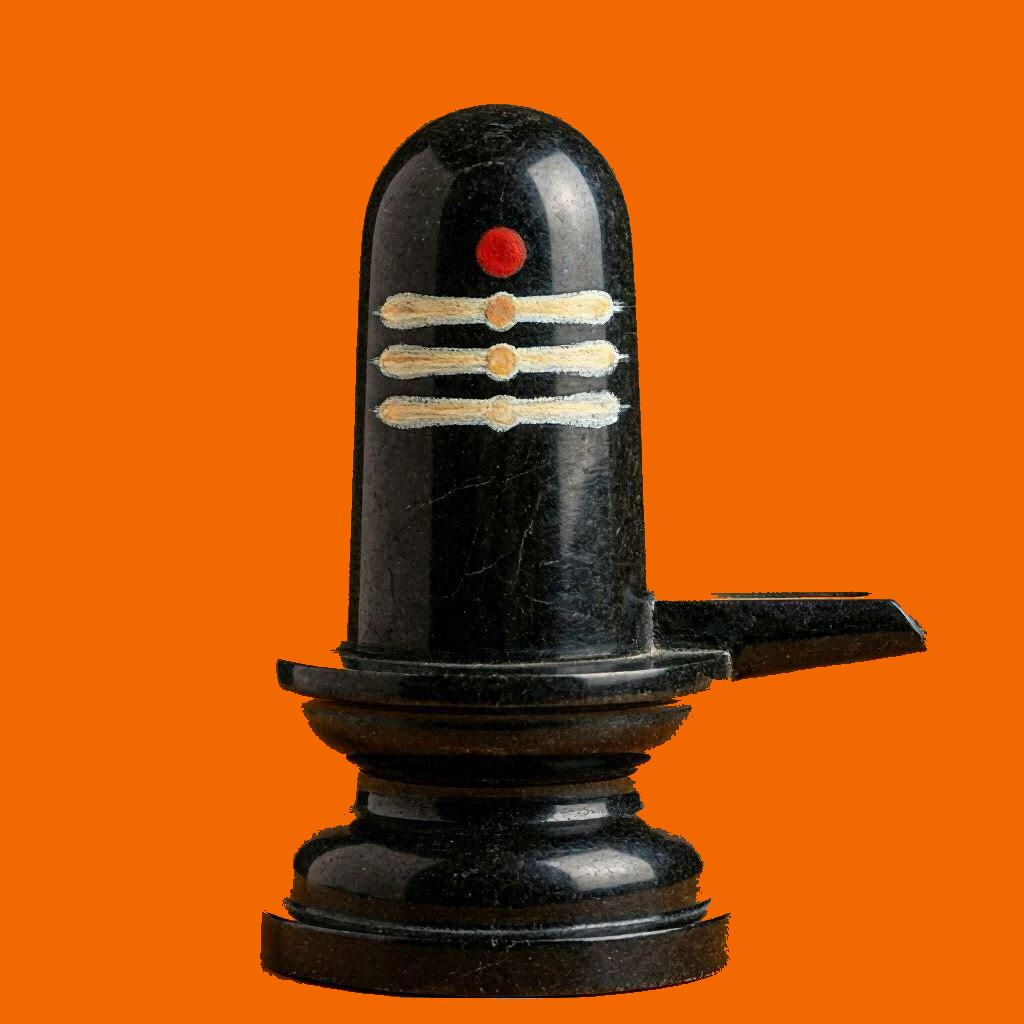
The Pancha Bhoota Sthalams are five temples in southern India where Shiva is enshrined as one of the five great elements: earth, water, fire, air, space. Four are in Tamil Nadu, one in Andhra Pradesh. The full circuit is doable in 7-10 days at a steady pace and is — alongside the 12 Jyotirlingas — one of the two canonical Shaiva pilgrimages of India.
This essay covers what the Pancha Bhoota tradition is, what each of the five temples specifically commemorates, the order most pilgrims travel them in, what to do at each, and the practical logistics of completing the circuit.
What the Pancha Bhoota theology is
The Sanskrit term pañca bhūta means “the five great elements.” In classical Hindu cosmology — shared across Vedanta, Sankhya, Tantra, and the major Shaiva schools — all manifest reality is composed of five elements in varying combinations:
- Prithvi — earth, the densest, solidity
- Appu (or Jala) — water, fluidity
- Agni — fire, transformation, heat
- Vayu — air, movement, breath
- Akasha — space, the subtlest, the field in which the other four exist
These are not just chemistry. In the classical framework, every object, every body, every action involves a specific combination of the five. A body has earth (bones) + water (blood and lymph) + fire (digestion + body heat) + air (breath) + space (the field that holds them together). When the five separate at death, the body returns to its elemental components.
The Shaiva theological move: each of the five elements has a TEMPLE — a specific physical place where Shiva is enshrined AS that element. The linga at the temple is held to embody that specific element directly. Visiting all five is therefore a complete elemental pilgrimage: by the end of the circuit, the practitioner has bowed to Shiva-as-each-element-of-their-own-body.
The five temples
| Element | Temple | Location | Linga form |
|---|---|---|---|
| Earth (Prithvi) | Ekambareswarar | Kanchipuram, Tamil Nadu | Sand linga, not bathed in water |
| Water (Appu) | Jambukeswarar (Thiruvanaikaval) | Tiruchirappalli, Tamil Nadu | Linga rises from a perennial underground spring |
| Fire (Agni) | Arunachaleswar (Annamalaiyar) | Tiruvannamalai, Tamil Nadu | Linga embodies the mountain itself as a column of fire |
| Air (Vayu) | Sri Kalahasti | Srikalahasti, Andhra Pradesh | Linga in inner sanctum, oil lamp flickers continuously without breeze |
| Space (Akasha) | Nataraja (Chidambaram) | Chidambaram, Tamil Nadu | No physical linga — the space itself behind the curtain is the deity (Chidambara Rahasyam — the “secret of Chidambaram”) |
Five temples. Five elements. One Shiva. The circuit is the canonical Shaiva framework for understanding the relationship between elemental reality and divine presence.
Each temple specifically
Ekambareswarar — Earth, at Kanchipuram
The earth temple. The linga at Ekambareswarar is made of sand — a prithvi linga — and is never bathed in water (unlike most Shiva lingas which receive constant abhishekam). To wash this linga would dissolve it; the practice instead uses jasmine and sandal paste.
The temple’s other defining feature is its 3,500-year-old mango tree in the courtyard. The tree is said to bear four flavors of fruit on its four branches — sweet, sour, bitter, salty. Parvati is said to have meditated under this tree to attain Shiva. The mango is the temple’s iconographic anchor.
When to visit: any morning. Avoid the noon hour when the temple closes. The Panguni Uthiram festival (March-April) is the temple’s biggest annual observance.
The practice traditionally is: circumambulate the inner courtyard with bilva offerings, then sit under the mango tree for a few minutes. Many practitioners chant the Lingashtakam here.
Jambukeswarar (Thiruvanaikaval) — Water, at Tiruchirappalli
The water temple. The Jambukeswarar linga rises from an underground spring that flows continuously. Even in the driest summer the sanctum holds standing water around the linga’s base. The temple is also called Thiruvanaikaval (the elephant-loved place) — the legend is that a spider and an elephant were rival devotees of this Shiva, both achieving liberation through their devotion.
The linga itself is small and is hidden behind a curtain of water that the priests draw aside at specific aarti times. The water is appu — the element itself.
When to visit: Pradosham hours work especially well here; the water sanctum is most visibly numinous at twilight.
The practice traditionally is: pour a small ritual offering of water into the sanctum (the priest will accept it on your behalf), then recite the Mahamrityunjaya Mantra at the sanctum’s outer threshold. The mantra’s amrita theme pairs naturally with the water shrine.
Arunachaleswar (Annamalaiyar) — Fire, at Tiruvannamalai
The fire temple. But here the temple is small — the real temple is the mountain itself. Arunachala (the “red mountain”) is held to be Shiva manifested as a column of fire that the gods Brahma and Vishnu once tried to find the top and bottom of, and could not.
The standard practice at Tiruvannamalai is the Girivalam — the 14-kilometre barefoot circumambulation of the mountain, traditionally done on every full moon. Tens of thousands of pilgrims walk the circuit each Karthikai Deepam (November), when a massive ghee-lamp is lit at the mountain’s summit and burns for several days as the visible embodiment of Shiva-as-fire.
The seat of Ramana Maharshi — the 20th-century sage who taught self-inquiry — is also at Tiruvannamalai. His ashram is integral to a contemporary Shaiva visit here.
When to visit: the Karthikai Deepam in November is the peak. Any full moon for the Girivalam. Otherwise, the predawn hours when the mountain is best visible.
The practice traditionally is: complete the Girivalam if you can. If you cannot walk 14km, sit quietly at the base of the mountain or at Ramana’s samadhi. The practice here is less about the temple-inside-the-walls and more about being in the presence of the mountain itself.
Sri Kalahasti — Air, at Srikalahasti
The air temple. The Kalahasti linga sits in an inner sanctum that has no opening to the outside. An oil lamp inside the sanctum flickers continuously — even though there is no perceivable breeze. The flickering is said to be Shiva’s breath, the air element manifesting directly.
The temple’s name derives from three devotees said to have attained liberation through their worship here: Sri (the spider, who wove an elaborate web temple over the linga), Kala (the snake, who placed precious jewels on the linga), and Hasti (the elephant, who cleaned the linga with water from his trunk). Hence Sri-Kala-Hasti.
This is also the principal temple for Rahu-Ketu pujas — astrological remediation rituals for the lunar nodes — which draws a different category of pilgrims than the Shaiva-elemental seekers. Both observances coexist.
When to visit: the Brahmotsavam (13-day festival around Mahashivaratri) is the major event. Any morning works for elemental darshan.
The practice traditionally is: stand at the sanctum threshold and watch the flickering lamp for a few minutes. The visual contemplation of the lamp — the air element made visible through the flame’s response — is the practice. Many practitioners pair this with quiet recitation of Om Namah Shivaya.
Nataraja (Chidambaram) — Space, at Chidambaram
The space temple. This is the most theologically dense of the five. The Chidambaram Nataraja temple has, behind the curtain in the inner sanctum, no physical linga at all. The space itself is the deity — called Chidambara Rahasyam, “the secret of Chidambaram.”
The visible icon at Chidambaram is the dancing Nataraja form of Shiva — the cosmic dancer. But behind that visible icon, behind the second curtain, is empty space — and that emptiness is held to be Shiva-as-akasha, the space element directly.
The Chit Sabha (the sanctum) at Chidambaram is one of the most profound theological statements in any Hindu temple. The teaching: ultimate reality is not a thing among things; it is the space within which all things appear. Shiva is the space that holds the universe, not the largest object within the universe. To bow before empty space is to bow before what is actually there beneath all the apparent objects.
When to visit: the Aarudhra Darshan (in December-January, the day commemorating Nataraja’s cosmic dance) is the peak. Otherwise, every twilight is excellent — the temple’s six daily pujas are choreographed across the day and the sandhya puja at sunset is the most attended.
The practice traditionally is: sit on the floor of the Chit Sabha facing the curtain. When the curtain is parted at puja times, you see empty space and a single lamp. That is the deity. Sit silently for as long as you can. Many advanced practitioners attempt to keep one full session of Chidambara darshan per year for life.
The order to travel them in
The canonical pilgrimage order is earth → water → fire → air → space — the elements ranked from densest to subtlest. This is the order of evolution in classical Sankhya cosmology and pairs nicely with a practitioner’s path moving from gross to subtle.
The geographic order that matches this almost perfectly:
- Kanchipuram (Ekambareswarar — Earth) — north-east Tamil Nadu, easy from Chennai
- Tiruchirappalli (Jambukeswarar — Water) — central Tamil Nadu
- Tiruvannamalai (Annamalaiyar — Fire) — south-east Tamil Nadu (back-tracking slightly)
- Srikalahasti (Air) — southern Andhra Pradesh, just over the Tamil Nadu border
- Chidambaram (Nataraja — Space) — coastal Tamil Nadu, eastward
A practitioner with 10 days and a rented car can do all five comfortably. With 7 days it is tight but doable. With more time, each temple can be given a full day.
Practical logistics
Base city: Chennai is the natural base. All five temples are within a 4-hour drive of Chennai except Srikalahasti (about 5 hours).
Transport: rented car with driver is the most flexible. Trains exist between major points (Chennai-Tiruchi, Chennai-Tiruvannamalai) but the cross-temple connections are awkward by rail.
Dress code: traditional South Indian Shaiva temples enforce a stricter dress code than most North Indian temples:
- Men: white dhoti, bare-chested or with angavastram (upper cloth) in some shrines (Jambukeswarar especially)
- Women: sari or salwar-kameez; no jeans, no Western dresses inside the sanctum at most of the five
- No leather inside the sanctum (especially at Jambukeswarar and Sri Kalahasti)
- Footwear removed at the gate
Photography: forbidden inside all five sanctums. Outer courtyard photography is generally allowed but check each temple’s specific rules.
Time budget: 4 to 6 hours per temple is realistic if you want to do the darshan + sit briefly + complete the canonical practice at each. Shorter is possible but the visit feels rushed.
The deeper practice
For the practitioner who takes the Pancha Bhoota circuit seriously, the inner work happens alongside the outer pilgrimage.
At each temple, the canonical inner practice is to meditate on the element AS IT MANIFESTS IN YOUR OWN BODY:
- At Ekambareswarar: bring attention to the bones, the solid weight of the body — the earth element in you.
- At Jambukeswarar: bring attention to the blood, the saliva, the tears — the water element in you.
- At Annamalaiyar: bring attention to the body heat, the digestive fire, the warmth of breath on the back of the hand — the fire element in you.
- At Sri Kalahasti: bring attention to the breath itself — the inhale and exhale, the air element moving through you.
- At Chidambaram: bring attention to the silent space between thoughts, between breaths — the akasha element that holds everything else.
By the end of the circuit, the practitioner has met Shiva five times in five different forms AND has met the five elements of their own body in the corresponding shrines. The pilgrimage produces, in the tradition’s framing, a kind of bhuta-shuddhi — purification of the elemental composition of the practitioner.
This is what makes the Pancha Bhoota pilgrimage different from a sightseeing tour of five impressive temples. The outer journey and the inner journey are the same journey, made on five legs.
A simple closing
If you can do all five in one trip, do them in element-order over 10 days from Chennai. If you can do only one, do Chidambaram — the most theologically dense of the five, and the one that produces the most reliable shift in even short visits. Stand in the Chit Sabha at the twilight puja. Watch the curtain part. See the lamp in the empty space.
That is the entry to the Pancha Bhoota circuit. The other four will then call you when the time is right.
Om Namah Shivaya.